

Has Weight Loss Become a Challenge for You, with Even the Strictest Diets No Longer Effective?
In such cases, gastric bypass surgery may come to mind as one of the effective medical interventions for treating morbid obesity. However, before making any decision, it is crucial to understand this procedure thoroughly, become familiar with its benefits, risks, and indications, and determine whether it is truly the right choice for you. In this article from Yasrebi Specialized Hospital, with insights from medical experts, we will explain everything you need to know about gastric bypass surgery in simple and practical terms, to help you make an informed and confident step toward achieving a healthier weight.
What Is Gastric Bypass Surgery and How Is It Performed?
Gastric bypass surgery is a weight-loss surgical procedure that modifies the structure of the gastrointestinal tract to reduce calorie absorption and promote early satiety. It is typically recommended for individuals who have not achieved successful weight loss through non-surgical methods and are suffering from conditions such as type 2 diabetes, high blood pressure, or obstructive sleep apnea.
Steps of Gastric Bypass Surgery
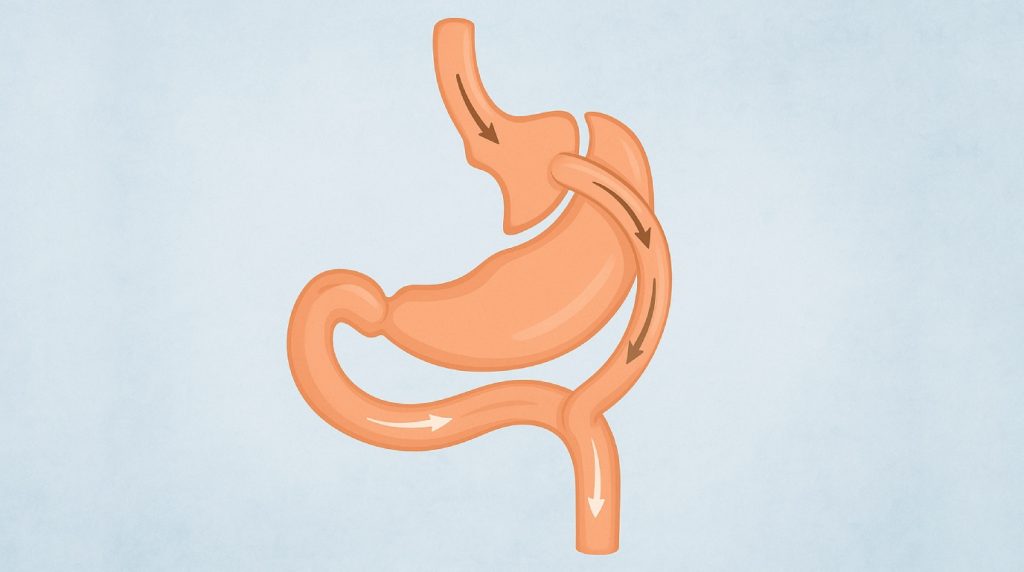
In this procedure, the surgeon first separates a small portion of the upper stomach to create a pouch approximately the size of an egg. This pouch is then directly connected to the middle section of the small intestine. As a result, food bypasses most of the stomach and the initial segment of the small intestine, entering directly into the small pouch and then the intestine. This anatomical alteration leads to reduced food intake and lower calorie absorption.
Surgical Techniques
Gastric bypass surgery is generally performed using one of the following methods:
-
Laparoscopic Surgery: This minimally invasive approach involves making several small incisions in the abdomen through which surgical instruments are inserted. It is associated with less postoperative pain and faster recovery.
-
Open Surgery: In certain situations, an open surgical approach may be necessary, involving a larger incision in the abdomen. This technique is reserved for specific cases based on the patient’s condition.
Why Do Some Patients Need Gastric Bypass Surgery?
Gastric bypass is considered an effective solution for weight loss, but it is not suitable for everyone. The decision is based on medical guidelines and individualized patient assessment:
-
High Body Mass Index (BMI): A BMI over 40, or between 35 and 39.9 with obesity-related health conditions, is the primary criterion for eligibility.
-
Failure of Non-Surgical Methods: When diet and exercise fail to produce adequate results, gastric bypass may be considered a viable alternative.
-
Underlying Health Conditions: Conditions like type 2 diabetes, hypertension, or joint problems that can be better managed with weight loss may necessitate surgical intervention.
-
Commitment to Lifestyle Change: The patient must be ready to adhere to long-term dietary restrictions, physical activity, and medical follow-up.
At Yasrebi Hospital, a team of experienced specialists is ready to assess each patient’s individual circumstances and recommend the most appropriate treatment plan. If you have questions about gastric bypass surgery or would like to schedule a consultation, feel free to contact us.

What Are the Benefits of Gastric Bypass Surgery?
Gastric bypass surgery not only facilitates significant weight loss but also offers a range of health-related benefits. Below are some of the most important advantages of this procedure:
-
Substantial Weight Loss: Patients typically lose between 60% to 80% of their excess weight within the first year after surgery.
-
Improvement or Resolution of Obesity-Related Conditions: This surgery can significantly improve or even resolve conditions such as type 2 diabetes, hypertension, and obstructive sleep apnea.
-
Enhanced Quality of Life: Weight loss and improved health status often lead to increased energy, better mobility, and higher self-confidence.
-
Reduced Risk of Premature Death: Studies have shown that gastric bypass can lower the risk of early mortality associated with obesity-related diseases.
What Are the Risks and Drawbacks of Gastric Bypass Surgery?
Like any surgical procedure, gastric bypass surgery carries potential risks and complications. Here are some of the key concerns:
-
Bleeding and Infection: There is a risk of internal bleeding at the staple line and postoperative infections.
-
Anastomotic Leak: Leakage at the site where the stomach is connected to the small intestine may occur, requiring immediate medical intervention.
-
Vitamin and Mineral Deficiencies: Due to altered nutrient absorption, patients are at risk of deficiencies and typically require lifelong nutritional supplementation.
-
Nausea and Vomiting: These symptoms may occur, especially if food is consumed too quickly or in excessive amounts.
-
Bowel Obstruction: In rare cases, anatomical changes may result in intestinal blockage.
-
Dumping Syndrome: Consuming foods high in sugar or fat may lead to dumping syndrome, with symptoms such as sweating, dizziness, and heart palpitations.
-
Weight Regain: Without adherence to dietary guidelines and a healthy lifestyle, weight regain is possible.
Most of these complications can be minimized through strict adherence to medical advice and regular follow-up care.
What Is the Recovery Period Like After Gastric Bypass Surgery?
The recovery phase following gastric bypass is a critical period in the healing process and in achieving optimal long-term outcomes. Proper postoperative care and lifestyle adjustments play a vital role.
-
Recovery Duration: Full recovery typically takes 3 to 6 weeks, during which the body adapts to its new digestive structure and surgical sites heal.
-
Initial Hospital Stay: Patients are usually hospitalized for 1 to 3 days post-surgery for monitoring and early complication prevention.
-
Postoperative Diet: A staged diet is implemented:
-
Clear liquids initially
-
Followed by pureed or soft foods
-
Eventually transitioning to light solid foods
Strict compliance is necessary to prevent gastrointestinal issues.
-
-
Physical Activity: Light walking is encouraged within a few days after surgery. However, heavy lifting and strenuous activities should be avoided for several weeks.
-
Wound Care: Surgical sites must be kept clean and dry. Proper hygiene, as advised by the physician, helps prevent infection.
-
Medical Follow-Up: Regular postoperative visits are essential for monitoring recovery, adjusting dietary plans, and tracking weight loss progress.

Is Gastric Bypass Surgery Reversible?
In certain rare cases, gastric bypass surgery can be reversed. However, this decision is only made when serious medical complications arise—ones that may be life-threatening or severely impair the function of the digestive system. In such circumstances, surgeons may consider reversing the procedure for vital medical reasons, but only after thorough evaluation and risk assessment.
Why Is Gastric Bypass Reversal Difficult?
The reversibility of gastric bypass surgery is extremely limited due to the following factors:
-
Extensive Structural Changes: Gastric bypass fundamentally alters the anatomy of the stomach and intestines. Reversing these changes is highly complex and risky.
-
High Surgical Risks: A reversal procedure carries significant risks such as infection, bleeding, anastomotic leakage, and other serious complications.
-
Incomplete Functional Restoration: Even if the reversal is technically successful, the normal physiological function of the stomach and intestines may not be fully restored.
When Might a Gastric Bypass Be Reversed?
Reversal of gastric bypass surgery is only considered in specific, medically justified situations, including:
-
Severe Malnutrition: When the patient develops nutritional deficiencies that are resistant to standard medical and dietary treatment.
-
Chronic Gastrointestinal Complications: Such as persistent abdominal pain, bowel obstruction, or other GI disorders unresponsive to conservative therapy.
-
Severe Psychological Distress: In rare cases, patients may develop serious mental health issues postoperatively that severely impact daily functioning and quality of life.
Gastric bypass is generally regarded as a permanent weight-loss solution. While reversal is technically possible in exceptional circumstances, it is rarely performed and only after comprehensive medical evaluation. Therefore, patients must have a full understanding of the required lifestyle changes and undergo preoperative counseling before proceeding with surgery.
How Is Gastric Bypass Surgery Performed at Yasrebi Hospital?
-
Patient Evaluation and Preparation
-
Comprehensive assessment of BMI, overall health, and preoperative consultation with nutritionists and psychologists.
-
-
General Anesthesia
-
The patient is placed under deep general anesthesia and will feel no pain during the procedure.
-
-
Laparoscopic Technique
-
A minimally invasive surgery performed through several small abdominal incisions using advanced surgical instruments, resulting in faster recovery and less postoperative pain.
-
-
Anatomical Modification
-
The stomach is reduced in size and connected directly to the small intestine, leading to limited food intake and reduced calorie absorption.
-
-
Postoperative Monitoring
-
Patients are typically hospitalized for 1 to 3 days for close observation and prevention of complications.
-
When Should You Consider Gastric Bypass Surgery?
Gastric bypass surgery can be a turning point in the long struggle with obesity—but only when approached with full awareness and readiness. If you are looking for a serious and long-term solution to improve your health and quality of life, the expert team at Yasrebi Hospital is here to support you every step of the way.
In our Comprehensive Guide to Bariatric Surgery, prepared by the Yasrebi Hospital’s specialized team, you can find detailed information about the surgical process, postoperative care, and expert consultations.
To assess your eligibility and receive personalized medical advice, contact Yasrebi Hospital’s Obesity Clinic today—and take your first confident step toward a healthier future.