


If you’re exhausted from restrictive diets, grueling workouts, and the repeated disappointment of unsuccessful weight loss attempts, sleeve gastrectomy may offer an effective and scientifically supported solution to help you embark on a new chapter in your life. However, before making a decision, it is crucial to understand how this procedure differs from other bariatric surgeries.
In this article, we provide a comprehensive comparison between sleeve gastrectomy and other common bariatric procedures such as gastric bypass and adjustable gastric banding, helping you make an informed and confident choice.
Furthermore, we introduce the specialized services of Yasrebi Hospital in Kashan, one of the region’s trusted centers for bariatric surgery. With a highly experienced medical team and state-of-the-art facilities, this hospital offers a reliable and advanced treatment pathway tailored to your needs.
What is Sleeve Gastrectomy?
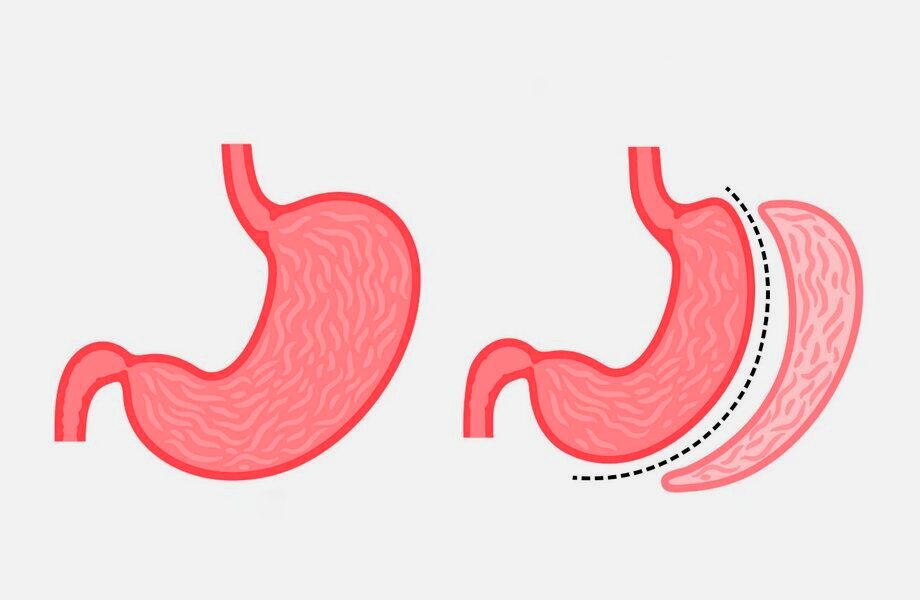
Sleeve gastrectomy is a type of bariatric (weight-loss) surgery that aids in weight reduction by decreasing the size of the stomach. In this procedure, approximately 75% to 80% of the stomach is surgically removed, and the remaining portion is reshaped into a narrow tube or “sleeve.”
How is Sleeve Gastrectomy Performed?
This surgery is typically performed laparoscopically, which involves making small incisions in the abdomen through which surgical instruments are inserted. The majority of the stomach is excised, and the remaining portion is fashioned into a slender, sleeve-like structure. This significantly reduces the stomach’s capacity, thereby limiting food intake.
Why is This Procedure Effective?
By reducing the stomach’s volume, patients experience early satiety and consume less food. Additionally, the excised portion of the stomach is primarily responsible for producing ghrelin—a hormone that stimulates hunger. Its removal leads to a reduction in hunger sensations, further supporting weight loss.
Who Are Suitable Candidates for Sleeve Gastrectomy?
Sleeve gastrectomy is an effective surgical option for individuals with severe obesity who have not achieved sufficient weight loss through non-surgical methods such as diet and exercise. Several criteria help determine candidacy for this procedure:
1. Body Mass Index (BMI)
One of the primary eligibility criteria is BMI. Candidates typically fall into the following categories:
- BMI ≥ 40 (severe obesity), or
- BMI ≥ 35 with obesity-related comorbidities such as type 2 diabetes, hypertension, or obstructive sleep apnea.
2. Age
- This procedure is generally recommended for individuals over 18 years old.
- In special cases, adolescents aged 14 and above may be considered candidates if evaluated and approved by a specialist.
3. Overall Health Status
- Those suffering from chronic conditions like type 2 diabetes, high blood pressure, hyperlipidemia, or sleep apnea that are related to obesity may benefit significantly.
- Individuals with mobility limitations or joint pain caused by excess weight may also be appropriate candidates.
4. Previous Weight Loss Attempts
- Candidates should have made unsuccessful attempts to lose weight through diet, exercise, or pharmacological interventions.
5. Commitment to Lifestyle Changes
- Sleeve gastrectomy is a tool—not a cure. Long-term success depends on adherence to a healthy lifestyle, including dietary changes, regular physical activity, and consistent medical follow-up.
6. Psychological Readiness
- Candidates must be psychologically stable without uncontrolled mental health disorders. A preoperative psychological assessment is typically conducted to ensure mental preparedness.
Ultimately, the decision to undergo sleeve gastrectomy should be made in consultation with a specialist, considering each patient’s individual medical and psychological profile. When properly selected and prepared, patients can experience significant improvements in health and quality of life.
Benefits of Sleeve Gastrectomy
- Sustainable and Effective Weight Loss
The reduction in stomach volume promotes early satiety and decreased food intake, leading to substantial weight loss over a relatively short period. - Improvement in Obesity-Related Diseases
Conditions like type 2 diabetes, hypertension, and sleep apnea often improve or even resolve after weight loss, with many patients reducing or discontinuing medications. - Appetite Suppression
Removal of the stomach portion that secretes ghrelin—the “hunger hormone”—leads to a natural decrease in appetite and reduced risk of overeating. - Enhanced Quality of Life
Weight loss often boosts self-esteem, psychological well-being, and mobility, with many patients reporting improved life satisfaction post-surgery. - Minimally Invasive Technique
Performed laparoscopically, the procedure involves smaller incisions, reduced postoperative pain, shorter hospital stays, and lower infection risks. - No Foreign Body Involvement
Unlike gastric banding, sleeve gastrectomy doesn’t involve implants or foreign devices, which reduces the likelihood of long-term complications.
Risks and Disadvantages of Sleeve Gastrectomy
- Bleeding
Intraoperative or postoperative bleeding may occur and might require urgent intervention. - Staple Line Leak
Leakage from the stapled area can result in serious infections and requires prompt medical management. - Damage to Adjacent Organs
Organs near the stomach, such as the spleen or intestines, may be at risk of injury during surgery. - Abdominal Pain and Discomfort
Pain is common postoperatively but is usually manageable with analgesics. - Nausea and Vomiting
Especially common in the first few days post-op. - Gastroesophageal Reflux (GERD)
Some patients experience acid reflux or heartburn after surgery. - Nutritional Deficiencies
Reduced stomach capacity may impair absorption of essential nutrients, leading to vitamin and mineral deficiencies. - Hair Loss
Protein or micronutrient deficiencies may cause temporary hair thinning or loss. - Gallstones
Rapid weight loss can increase the risk of gallstone formation. - Mood Changes
Some individuals may experience depression or anxiety post-surgery and may need psychological support. - Body Image Disturbance
Rapid physical changes can affect self-perception, sometimes requiring mental health counseling. - Strict Dietary Requirements
A carefully regulated diet must be followed post-surgery to prevent complications and maintain results. - Regular Exercise
Physical activity is essential for weight maintenance and preventing weight regain.
Pre- and Postoperative Care for Sleeve Gastrectomy
Preoperative Care:
- Medical and psychological evaluations to assess overall health and readiness.
- Preoperative diet (typically low-calorie, high-protein) to reduce liver size and facilitate surgery.
- Smoking and alcohol cessation to improve surgical outcomes and recovery.
- Light physical activity such as walking to improve cardiovascular health.
- Postoperative planning, including preparing the home environment and coordinating support for recovery.
Postoperative Care:
- Stage-wise diet progression, from clear liquids to solid foods, must be followed diligently.
- Wound care, including regular dressing changes and hygiene to prevent infections.
- Light physical activity (e.g., walking) to enhance circulation and reduce the risk of blood clots.
- Vitamin and mineral supplementation to counteract nutrient malabsorption.
- Regular follow-up visits for monitoring, lab work, and long-term health maintenance.
Who Should Not Undergo Sleeve Gastrectomy?
Despite its effectiveness, sleeve gastrectomy is not suitable for everyone. It is generally not recommended for:
- Inappropriate Age
Individuals under 18 or over 65 may be at increased risk due to developmental or chronic health concerns. - Pregnancy and Lactation
Surgery should be postponed until after these periods. - Active Gastrointestinal Diseases
Conditions like Crohn’s disease or active peptic ulcers can complicate surgical outcomes. - Severe Cardiopulmonary Disease
Inability to tolerate general anesthesia poses a significant surgical risk. - Uncontrolled Psychiatric Illness
Severe, untreated mental health conditions may interfere with postoperative care and judgment. - Substance Abuse
Active drug or alcohol abuse disrupts recovery and affects outcomes. - Non-compliance with Medical Guidelines
Patients unwilling or unable to follow dietary, medical, and follow-up protocols may not achieve desired results.
Comparison of Sleeve Gastrectomy with Other Bariatric Surgeries
| Adjustable Gastric Band | Gastric Bypass | Sleeve Gastrectomy | Features |
| Lower (40–50% of excess weight in 2–3 years) | Significant (70–80% of excess weight in 1–2 years) | Moderate to significant (60–70% of excess weight in 1–2 years) | Weight Loss |
| Restricts stomach volume using an adjustable silicone band | Reduces stomach size and reroutes the digestive tract to decrease calorie absorption | Reduces stomach volume and suppresses hunger hormone (ghrelin) | Mechanism of Action |
| Low (placement of band without stomach removal) | High (creation of a small pouch and intestinal rerouting) | Moderate (removal of ~80% of the stomach) | Surgical Invasiveness |
| Reversible and adjustable | Irreversible | Irreversible | Reversibility |
| Low | High (requires lifelong supplementation) | Moderate | Risk of Vitamin Deficiency |
| Less effective | Highly effective (better glycemic control) | Effective, though less than bypass | Effectiveness for Type 2 Diabetes |
| High (band slippage, erosion, need for reoperation) | High (ulcers, obstruction, severe nutrient deficiencies) | Moderate (leakage, reflux, nutritional deficiencies) | Long-term Complications |
Is Sleeve Gastrectomy Right for You?
If you’re still unsure whether sleeve gastrectomy is the right option for you, the short answer is this: if you suffer from severe obesity and have not achieved results through traditional methods, this surgery could potentially change your life.
For a safer and more informed decision, we recommend utilizing the specialized services of Yasrebi Hospital in Kashan—a well-equipped center with an experienced team in bariatric surgery.
To gain a full understanding of the procedure, its benefits, risks, and pre- and postoperative care, be sure to read the comprehensive bariatric surgery guide included in this article. With the right knowledge, you can take a meaningful step toward improving your health.